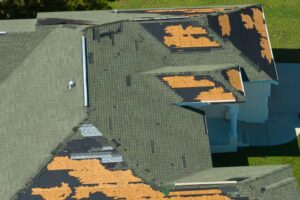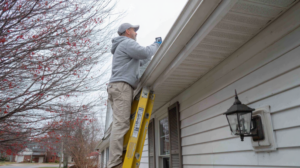
Winter in Oakland and Lincoln Park can be beautiful, but it’s also tough on your roof. Between heavy snow, ice buildup, freezing rain, and sudden temperature swings, your roofing system takes on more stress in a few months than it does the rest of the year combined. The problem? Not all roof damage is easy to see.
Being able to recognize hidden roof damage early can help to save you from expensive repairs down the road. What starts as a small crack, lifted shingle, or minor leak can quickly turn into structural issues, interior water damage, or mold growth once spring rains arrive. At Haven Roofing Company, we believe homeowners should feel informed and confident, not caught off guard.
Here’s what to look for after a winter storm in North Jersey.
Why Winter Storms Cause Hidden Roof Damage
In our area, winter storms often bring a mix of snow, ice, wind, and sometimes even hail. Each of these elements affects different roofing materials, whether you have an asphalt shingle roof, slate, metal, or tile.
Heavy snow adds weight and pressure. Ice dams form along eaves and gutters, trapping melting water underneath shingles. Strong winds can loosen flashing or lift shingle edges. Even brief hailstorms can cause subtle roof hail damage that’s easy to miss from the ground.
Because much of this damage isn’t dramatic or visible from your driveway, identifying hidden roof damage requires knowing the warning signs.
1. Check for Shingle Irregularities
After the snow melts, take a careful look at your roof from the ground.
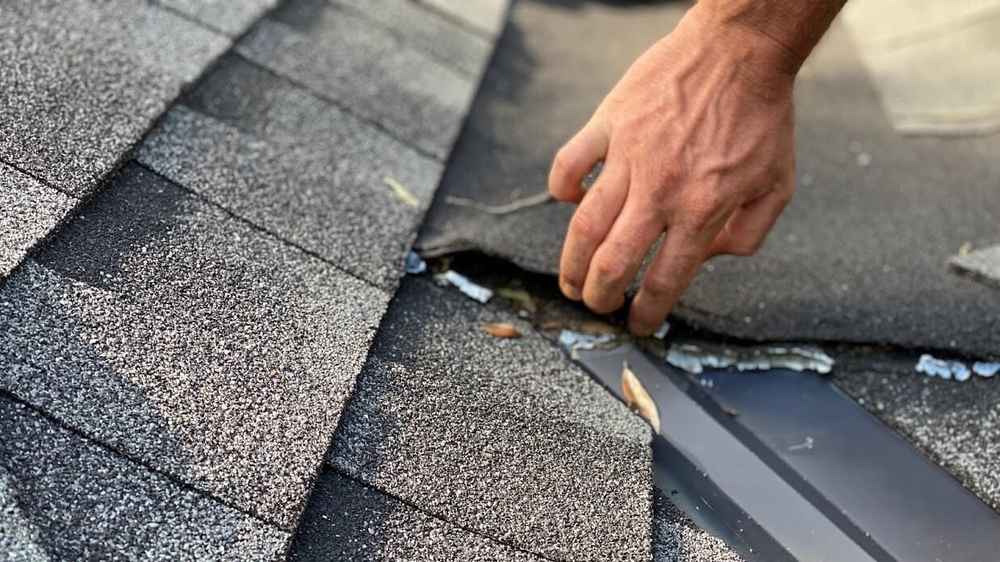
For asphalt shingles, watch for:
- Curling or lifted edges
- Missing granules (you may notice them collecting in gutters)
- Dark or bruised spots from hail impact
- Shingles that look slightly out of alignment
Roof hail damage often appears as small dents or soft spots on shingles. It may not leak immediately, but it weakens the material over time.
If your home has a slate, tile, or metal roof, look for:
- Cracked or shifted slate tiles
- Hairline fractures in tile
- Dents in metal panels
- Loose or exposed fasteners
Even minor displacement can allow moisture underneath the surface, leading to hidden roof storm damage.
2. Look Inside Your Attic
One of the best ways to catch roof damage is from inside your home.
Head into your attic on a dry day and look for:
- Water stains on the underside of the roof decking
- Damp insulation
- Rusted nails
- Moldy or musty smells
- Small beams of daylight coming through
Ice dam damage is especially common in homes around Oakland and Lincoln Park with older insulation or ventilation systems. When melting snow starts to refreeze at the edge of your roof, it pushes water backward under shingles, sometimes without immediate visible leaks inside your living space.
If you notice any of these signs, it may be time for a professional inspection.
3. Inspect Flashing and Roof Penetrations
Winter wind and freeze-thaw cycles can loosen flashing around chimneys, vents, and skylights.
Flashing is one of the most vulnerable areas for roof storm damage. Even a small separation can allow water to seep in gradually. Because this type of leak develops slowly, homeowners may not notice it until drywall stains appear weeks later.
If you see rusted flashing, cracked sealant, or gaps around roof penetrations, it’s worth having it checked.
4. Pay Attention to Gutters and Downspouts
Your gutters tell a story about your roof.
After a storm, check for:
- Excess granules in gutters
- Detached or sagging sections
- Ice-related pulling at the fascia
- Blockages from debris
Granule buildup can indicate aging shingles or roof hail damage. Sagging gutters may point to ice accumulation or structural stress along the roof edge.
At Haven Roofing Company, we also install seamless gutters and gutter guards, which help reduce winter buildup and ice-related strain.
5. Watch for Subtle Interior Warning Signs
Not all roof damage shows up immediately as a leak. Sometimes it starts with:
- Peeling paint near ceilings
- Bubbling drywall
- Small brown ceiling spots
- Drafty areas upstairs
These signs may indicate slow moisture intrusion from hidden roof damage.
The sooner roof storm damage is addressed, the more likely it is to be repaired instead of requiring full replacement.
6. Consider a Professional Drone Inspection
Climbing onto an icy or steep roof is dangerous and not recommended. That’s why we offer roof drone inspections.
Using advanced imaging, we can safely assess hard-to-see areas and identify hidden roof damage without risking injury. This is especially helpful for slate, tile, and metal roofs, where damage may not be obvious from ground level.
Our team documents findings clearly and explains what we see, so you understand exactly what’s going on.
When to Schedule Storm Damage Roof Repair
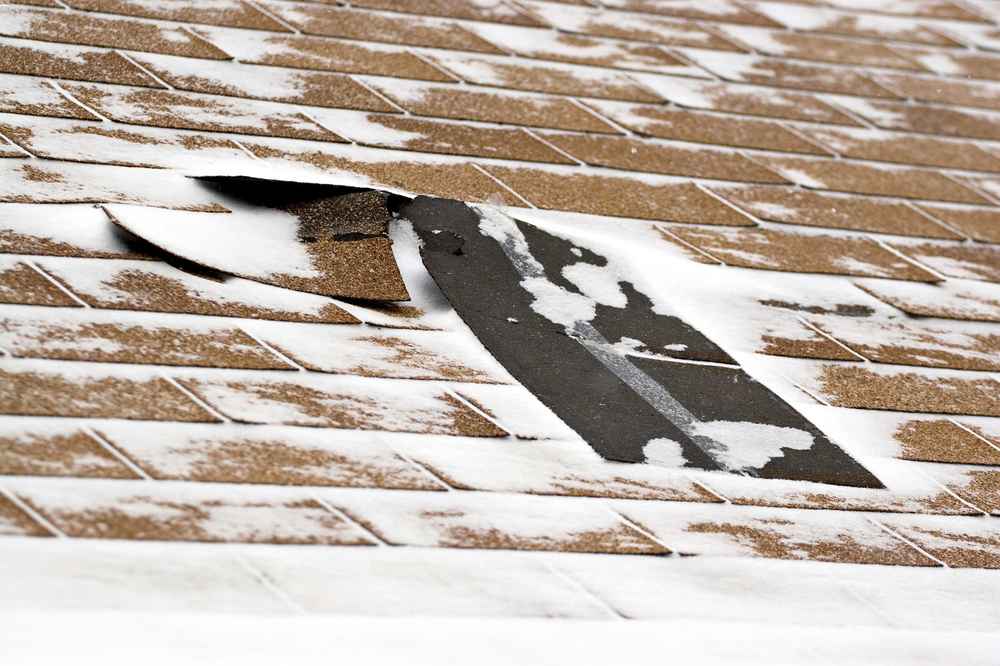
If you suspect roof damage after a winter storm, don’t wait until spring rains make it worse. Early intervention often means simpler repairs.
We provide:
- Emergency storm response
- Temporary tarping when needed
- Wind and hail damage repairs
- Assistance with insurance claims
- Residential and commercial roof repair and replacement
Our team is fully licensed, insured, and bonded, and our certified team works with care and transparency every step of the way.
We’re Here to Help Protect Your Home
Winter in Oakland and Lincoln Park isn’t gentle, but your roof doesn’t have to suffer in silence.
At Haven Roofing Company, we combine engineering expertise with honest communication and high-quality craftsmanship. If you’re unsure whether your home has hidden roof damage, we’re happy to take a look and give you straightforward answers.
Don’t ignore the small signs. Contact Haven Roofing Company today to schedule an inspection and get trusted guidance on identifying hidden roof damage and planning the right storm damage roof repair for your home.