Northern New Jersey weather can change fast. One week it’s calm and sunny, the next, strong winds tear through neighborhoods in Wayne, heavy rain pounds homes in Montville, or a winter storm drops snow across Kinnelon and Oakland. Homes in Ramsey, Upper Saddle River, and Glen Ridge often sit among mature trees and established neighborhoods, which means roofs and siding are constantly exposed to wind, falling limbs, heavy rain, and seasonal freeze-thaw cycles.
When storms hit, roof damage isn’t always dramatic or noticeable. A few lifted shingles or small flashing gaps can quietly turn into interior leaks and structural issues over time. That’s why understanding storm damage roof repair and how the roof insurance claim process works is so important as a homeowner.
At Haven Roofing Company, we believe in honest education. The more you understand about storm damage and insurance, the better decisions you can make for your home. Below is a straightforward, homeowner-friendly guide to storm damage repairs and roof insurance claims in Northern New Jersey.
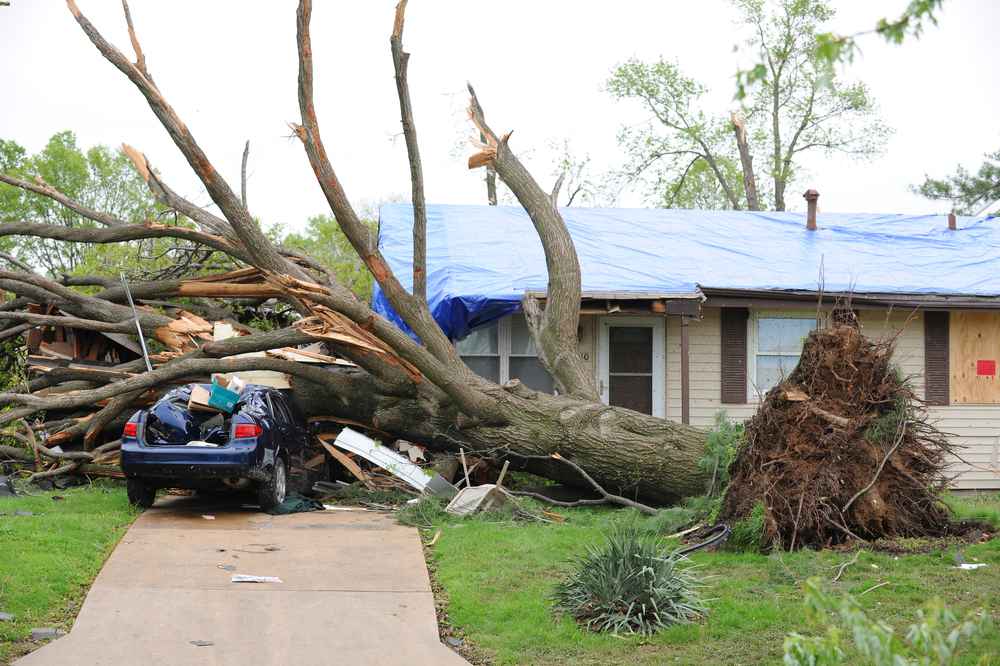
Why Storm Damage Is a Serious Concern in Northern NJ
Homes throughout Wayne, Montville, Ramsey, and surrounding towns experience:
- Strong wind gusts during thunderstorms
- Heavy rain from coastal storms and hurricane remnants
- Winter snow and ice buildup
- Rapid temperature swings
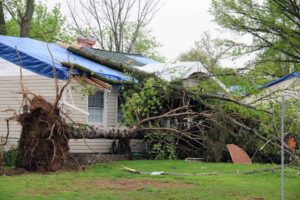
- Falling branches from large trees
- Wind-driven debris
These conditions affect common roofing materials differently:
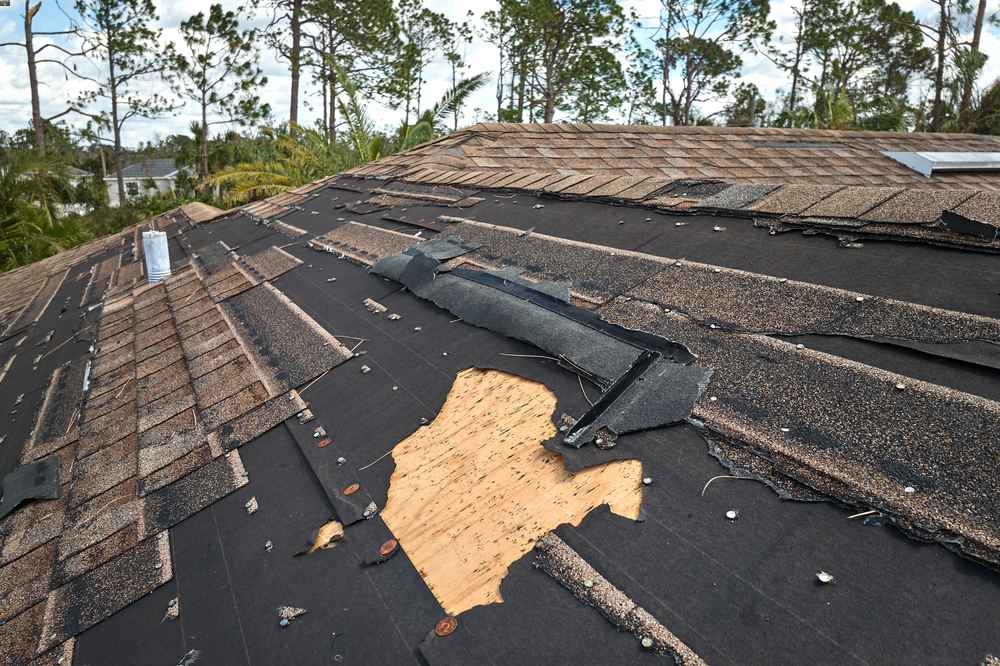
- Asphalt shingles may lift, crease, or lose granules.
- Slate and tile roofs can crack or shift under impact.
- Metal roofing panels may loosen at seams or fasteners.
- Commercial roofing systems, such as built-up roofing, spray foam, or EPDM membranes, can develop punctures or seam separation.
Storm damage doesn’t always result in immediate leaks. Sometimes, the issue develops gradually as compromised materials weaken further with additional weather exposure.
Common Signs You May Need Roof Storm Damage Repair
After a significant weather event, look for these signs from the ground:
Exterior Indicators
- Missing shingles
- Shingles that appear lifted or creased
- Cracked or displaced slate or tile
- Bent flashing
- Metal panels that look loose
- Gutters pulling away from the home
- Debris buildup in roof valleys
Interior Indicators
- Water stains on ceilings
- Damp attic insulation
- Dripping during rainfall
- Peeling paint near rooflines
- Musty odors in upper rooms
If you notice any of these signs, a professional inspection is recommended. We offer detailed roof evaluations, including drone inspections when appropriate, to safely assess steep or high rooflines common throughout Northern NJ neighborhoods.
What To Do Immediately After a Storm
1. Put Safety First
Never climb onto your roof after a storm. Surfaces can be unstable, slippery, or structurally compromised.
2. Document What You Can See
Take photos from the ground of visible damage such as missing shingles, fallen branches, or gutter issues. This documentation may be helpful if you pursue a roof damage insurance claim.
3. Prevent Further Damage
If your roof is actively leaking, temporary protective measures such as emergency tarping may be necessary. Acting quickly helps reduce additional interior damage.
4. Schedule a Professional Inspection
A licensed roofing contractor can determine the full extent of storm-related damage and provide documentation to support repair recommendations.
Understanding the Roof Insurance Claim Process
Insurance policies vary significantly by carrier, coverage type, roof age, and endorsements. While many homeowner policies may cover sudden storm-related damage, it’s important to review your individual policy details.
Below is a general overview of how roof insurance claims often work. This is educational information; your insurance provider can give you policy-specific guidance.
Step 1: Review Your Policy
Check your deductible and coverage limits. Look for details about wind, hail, or storm damage coverage.
Step 2: Obtain a Professional Roof Assessment
Before filing a claim, having your roof inspected can clarify whether damage appears storm-related and significant enough to justify filing.
We provide:
- Thorough roof inspections
- Drone documentation when needed
- Written evaluations of observed conditions
We do not interpret insurance policies, but we provide factual documentation of roof conditions.
Step 3: File the Claim Promptly
If damage appears significant, contact your insurance company. Many policies require timely reporting following a storm event.
Step 4: Inspection With an Insurance Adjuster
The insurance provider may have an adjuster come to your home to evaluate the property. Having your contractor present during this inspection can help ensure all visible damage areas are discussed.
Step 5: Review the Scope of Work
If your claim is approved, the insurance company will provide documentation outlining covered repairs. Carefully review it to make sure that it reflects the necessary repairs.
Repair vs. Replacement After Storm Damage
Not every damaged roof requires full replacement. The appropriate solution depends on:
- Extent of damage
- Roof age
- Material type
- Structural condition
- Insurance approval
When Storm Damage Roof Repair May Be Enough:
- Damage is isolated to a limited area
- Shingles can be matched
- The roof is relatively new
- Underlayment and decking remain intact
When Replacement May Be Necessary:
- Large sections are compromised
- Materials are discontinued
- Multiple leak points exist
- Structural integrity is affected
For commercial properties with built-up roofing, spray foam, or EPDM systems, membrane condition and insulation integrity are major factors.
Our approach is always practical and transparent. If a roof repair is going to be sufficient, then that is what we will recommend for your home. If replacement is necessary for long-term protection, we explain why.
Emergency Storm Damage Services in Northern NJ
Storms don’t wait for business hours. Severe weather can leave homes vulnerable to ongoing damage.
We provide:
- Emergency roof tarping
- Leak response
- Wind damage repair
- Hurricane-related storm repairs
Stabilizing your home quickly can prevent interior water intrusion and reduce the risk of further complications.
Gutters and Siding: Often Overlooked After Storms
Storm damage frequently affects more than just roofing materials.
High winds and heavy rain can impact:
- Seamless gutters
- Sectional gutter systems
- K-style, half-round, and box-style gutters
- Gutter guards
Improper drainage can lead to foundation issues and siding damage.
We also repair and install siding systems, including:
- Vinyl
- Composite
- Wood
- Metal
- Fiber cement and Hardie board
Addressing the full exterior system ensures your home in Wayne, Montville, or Upper Saddle River remains protected from top to bottom.
Why Working With a Licensed, Local Contractor Matters
After major storms, out-of-area contractors sometimes move into affected communities. While some are legitimate, others may not be licensed, insured, or familiar with New Jersey building codes.
- Fully licensed
- Insured and bonded
- Staffed with certified professionals
- Rooted in the Northern New Jersey community
Our founder’s engineering background allows us to evaluate storm damage carefully and explain how different components of your roofing system interact.
We believe in:
- Clear communication
- Detailed documentation
- Honest recommendations
- Transparent pricing
The Value of Drone Roof Inspections
Many homes in Ramsey, Kinnelon, and Oakland feature steep pitches or complex rooflines. Drone inspections allow us to:
- Safely capture high-resolution images
- Document hard-to-reach areas
- Provide visual reports
- Share clear findings with homeowners
This level of transparency supports informed decision-making and can assist in the documentation process for roof insurance claims.