When it comes to protecting your home or business in New Jersey, few investments offer the long-term value of an energy-efficient roof. At Haven Roofing Company, we combine engineering-driven expertise with a passion for improving our community, one home at a time. With attention to detail, transparent communication, and a commitment to using top-quality materials, we make sure every roofing system we install performs at the highest level. And in a state known for humid summers, cold winters, and constant swings in temperature, choosing the right energy-saving roof can make a massive difference in both comfort and utility costs.
Energy efficient roofing isn’t just a trend. It’s a practical way to reduce your energy bills, lengthen the life of your roof, and keep your home more comfortable year-round. Whether you’re planning a residential replacement, exploring a commercial upgrade, or evaluating options after storm damage, knowing the right questions to ask your roofer ensures you get the most out of your investment. Here’s what every homeowner or property manager should ask, and what you should expect from a contractor who truly understands energy efficiency.
The Key Questions to Ask Your Roofer About Energy Efficiency
1. “What roofing materials offer the best energy savings?”
Not all roofing materials are created equal. A qualified roofer should be able to clearly explain the energy performance of each option. For example, metal roofs reflect heat more effectively than dark asphalt shingles, while tile roofs offer exceptional insulation because of their natural thermal resistance. On the commercial side, EPDM roofing or spray foam systems can reduce heat transfer and help regulate building temperatures.
If your roofer can’t break down the differences or only pushes one product, they’re not prioritizing your long-term energy savings.
2. “How will this roof perform in New Jersey’s climate?”
Energy efficiency depends heavily on local weather conditions. New Jersey experiences everything from summer heatwaves to freezing winters, so your roof must perform well across both extremes. Ask your roofer how the system responds to UV exposure, wind, moisture, and temperature fluctuations. A knowledgeable professional should evaluate your attic ventilation, insulation, and roof structure before recommending an energy-saving roofing solution.
3. “What color and coating options increase energy efficiency?”
Many homeowners don’t realize how much color impacts energy use. Light-colored shingles, reflective metal coatings, and specially designed roof membranes can reduce surface temperatures by absorbing less heat. On commercial buildings, reflective coatings or spray foam applications can dramatically lower energy consumption by reducing heat gain.
A roofer committed to energy efficiency should offer options, not just a one-size-fits-all recommendation.
4. “Will my installation include proper ventilation and insulation checks?”
A roofing system is only as efficient as its ventilation. Without balanced airflow, your attic can trap heat in summer and moisture in winter, both of which increase your energy costs and shorten the lifespan of your roof. Your contractor should explain how they evaluate and adjust ventilation during installation. If they don’t bring it up, that’s a major red flag.
5. “Can you provide energy performance expectations or past project results?”
Experienced roofers should be able to reference previous projects, explain expected temperature reductions, or outline how specific materials improve efficiency. While exact energy savings vary, your contractor should still give you a clear idea of what to expect, not vague promises.
6. “How long will the roof maintain its efficiency?”
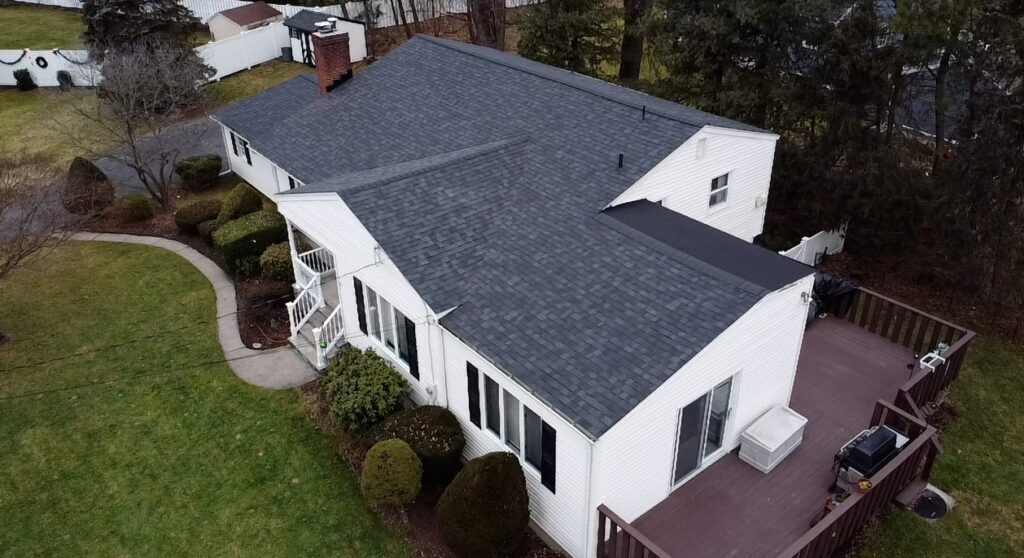
Energy efficiency is not just a year-one consideration. You want a roof that performs over decades. Ask about warranties, expected lifespan, and how well the materials retain their reflective or insulating qualities over time.
7. “Are there commercial options that maximize energy performance?”
If you own or manage a commercial property, don’t settle for a generic roofing plan. Ask your roofer about energy-efficient commercial options such as EPDM roofing, spray foam roofing, or built-up roofing with added insulation layers. These systems can drastically reduce heating and cooling costs for offices, warehouses, retail buildings, or industrial facilities.
The Most Energy-Efficient Roofing Options We Provide
At Haven Roofing Company, we offer a range of residential and commercial materials designed to improve energy performance in New Jersey’s demanding climate. Here are the top energy-saving roofing options we install, and why they stand out.
Metal Roofing
Metal is one of the most energy-efficient roofing systems available. Its natural reflectivity helps reduce heat absorption during summer, lowering cooling costs. Many metal roofing systems also come with a reflective coating that enhance performance even further. Metal is durable, long-lasting, and excellent for homeowners who want both efficiency and modern curb appeal.
Tile Roofing
Tile (including clay and concrete options) offers superior insulation. Its density and thermal mass help stabilize indoor temperatures by slowing heat transfer. Tile performs especially well in both extreme heat and cold, making it ideal for New Jersey’s year-round temperature shifts. It’s also incredibly long-lasting, which adds long-term value.
Asphalt Shingles (Energy Efficient Options)
While standard asphalt shingles don’t offer the highest energy performance, choosing lighter colors or reflective shingle lines can make a noticeable difference. Many modern asphalt shingles are designed with solar-reflective granules that help reduce surface heat. For homeowners who prefer traditional style, these upgraded shingles provide a budget-friendly way to increase efficiency.
Commercial Energy Efficient Options: EPDM & Spray Foam Roofing
EPDM roofing is known for its insulating qualities, UV resistance, and durability. Its dark surface can be paired with reflective coatings to boost energy efficiency.
Spray foam roofing provides exceptional insulation thanks to its seamless design and high R-value. It reduces air leakage, improves temperature regulation, and helps significantly lower energy costs for commercial properties.
Trust Haven Roofing Company With Your Energy Saving Roof
Choosing an energy-efficient roof is one of the smartest investments you can make for your home or commercial building. At Haven Roofing Company, we combine engineering expertise, certified installers, and transparent communication to deliver energy-saving roofing systems that truly perform.
Whether you’re considering metal, tile, reflective asphalt, EPDM, or spray foam, our team will walk you through every detail so you understand exactly how your roof will improve your energy use, comfort, and long-term savings.
Ready to Upgrade to an Energy-Efficient Roofing System?
Contact Haven Roofing Company today to schedule a consultation or drone inspection, and discover why we’re the trusted name in roofing throughout our community.